There’s one haircut that has subtly been on the request list for barbershop for the past several years, and it is the French Crop haircut. Clean, sharp, ridiculously easy to maintain, somehow looking intentional when you roll out of bed and do nothing to it. It’s not a trend that came and went. It’s a staple.
From novice to looking to make a change in your current version of the French crop haircut, this guide covers all the different versions of the French crop haircut you need to know, how they work, who they are for, and what questions you should ask your barber.
What Is the French Crop?
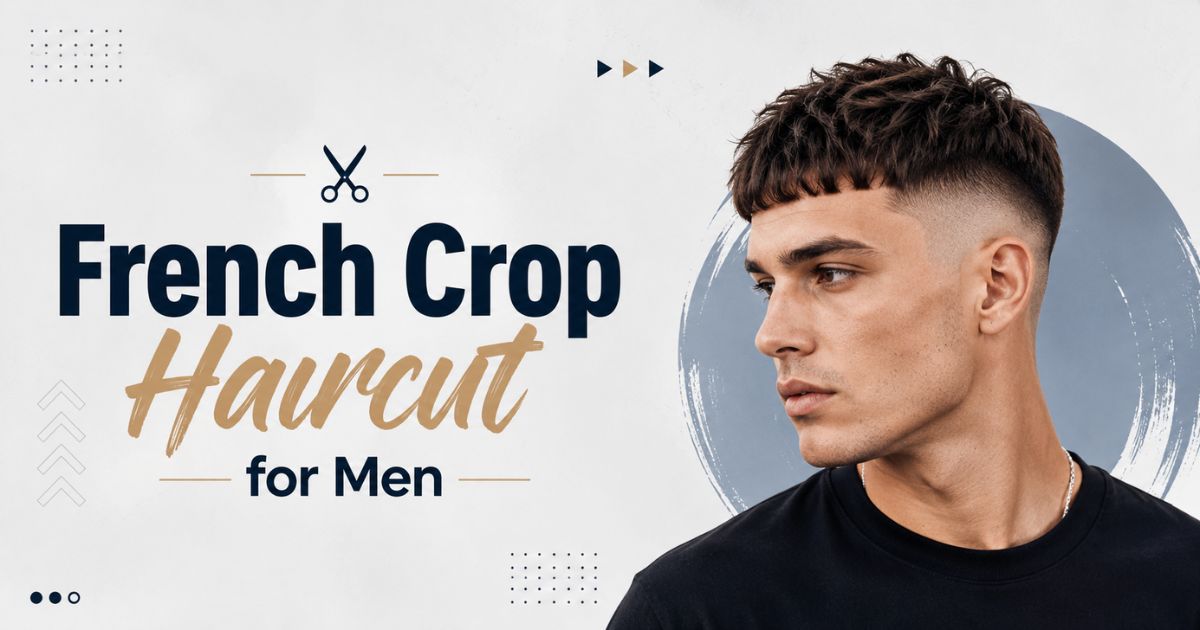
The French crop is a short men’s cut that features a short fringe or fade down the front, along with short sides and a slightly longer top that is pushed forward. It’s not your run-of-the-mill shortcut, but a forward-styled crown just above the eyebrows that really makes it French.
It’s simplicity that’s the point. It is organised and doesn’t look stiff, and it is suitable for practically all hair types, straight, wavy, thin, thick, and even curly. This one haircut has approximately fifteen personalities depending on how you style the sides; they can be tapered, faded, or blended in any manner.
The Best French Crop Variations for Men
1. Classic French Crop
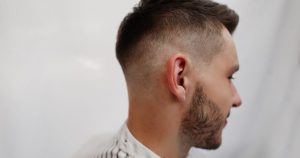
This is the original. A short back and sides fringe with a blunt end, just above the brows, and a clean top that grows in the natural direction. No over-rapid fading, no extreme contrast, only proportionate and neat.
The cut is the most office-appropriate and one of the few that can be worn by all face shapes. The classic French crop is ideal for those who are looking to get a polished appearance without any morning work.
2. French Crop Fade
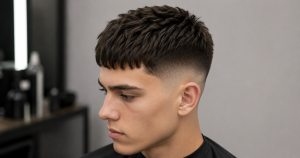
The French Crop Fade is based on the same foundation as the classic fade, but includes a fade on the sides, resulting in more contrast and a sharp overall look. It’s possible to make the fade low, mid, or high – it’s your call.
A low fade is subtle and is a wise choice if you’re looking for something that can work in both casual and formal situations. A high skin fade will enhance contrast significantly and help create a more street-oriented and statement cut.
It is one of the most requested versions at barbershops, as it brings a contemporary flavour to an evergreen one, just not too much of it.
3. French Crop with Taper
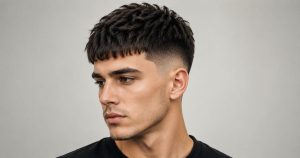
A taper is the “little brother” of the fade. A taper is not to be confused with blending down to the skin; it simply takes less hair around the neckline and around the ears, and gradually runs down to a point that is not zero.
The French Crop with a taper is the more natural cut with a taper, and is the one that doesn’t get the “barbershop fresh” feeling after a week or two. Properly trained, it grows gracefully and is the recommended haircut for men who can only allow a cut every 5 or 6 weeks.
It’s also the safest option for those new to the French crop or who aren’t familiar with how heavy a fade they have a desire to get.
4. Messy French Crop
This haircut is the easy-going version of the Messy French Crop – you’ve done something but not too much. The top is a little longer at the top and a bit mussed, which adds a lot more texture than structure.
It is an ideal option for men with wavy or slightly thick hair, as the texture plays a significant role. Typically, a light matte paste or a small quantity of salt spray is all that is required to complete it.
Generally, the sides will be left with a low taper fade to not overpower the rest of the fade and make the whole thing look too “shiny”. This is the perfect combination of neat sides and loose top that makes the Frisbee manicured look so easy to wear for everyday wear.
5. French Crop with Burst Fade
A burst fade swoops around the ear and down behind, giving additional visual detail to the sides. Combined with the French crop haircut, it will lend a more sophisticated, high-end vibe to the haircut, while maintaining the traditional fringe at the front.
This is ideal for men who wish to have a bit more of a unique cut, but do not wish to alter the silhouette of the cut itself.
6. French Crop Undercut
The undercut version has shorter sides that are sharply set off from the top, seemingly a sharp line between the short top hair and the close-cut sides. It’s a more edgy, alternative and street-oriented version of the regular crop.
The undercut version is great for those wanting a French crop with a little more interest and personality.
Who Does the French Crop Work For?
Honestly, most men. It is no abstract answer—it is only the truth of this flexible cut. Here are some quick tips based on face shape:
Oval face: Designed for this face shape. Any variation will do.
Square face: Structured top and fringe to balance with a strong jawline. A class or taper is best.
Round face: The fringe creates angles and draws the eye up towards the face, lengthening it. For a slight top, go for a higher top.
Heart or diamond face: Do not let the chin be too narrow; a fuller fringe balances this out and will help to maintain proportions.
When it comes to hair type, straight hair provides you with the clearest fringe and the sharpest lines. The wavy texture is the perfect natural effect to accentuate the messy look, particularly when it comes to the hairs around the edges.
Please keep in mind that curly hair CAN get a French cut; it’s really up to your barber as long as he knows how to cut the top forward without the curls getting dishevelled.
How to Tell Your Barber What You Want
The best way to request a French crop haircut is to say: “Short back and sides with a cropped fringe, pushed forward. After that, add in whatever variation is appropriate to your desired outcome:
- “I want a skin fade on the sides” for the French Crop Fade
- “Keep the sides tapered but not too short” for the taper version
- “Leave the top a bit longer and textured” for the messy French crop
- “Disconnect the sides more aggressively” for the undercut version
Showing a photo alongside this always helps. Barbers can interpret “short” in different ways, so showing your reference image removes any guesswork.
How to Style a French Crop at Home
The French cut is definitely one of the simplest haircuts to take care of because it is formed into the cut itself. Not using a complicated make-up or hairstyle to make it look good.
To achieve a neat, tidy look, use a little matte paste/pomade on slightly damp hair and push it forward towards the fringe. For most, this is the standard procedure.
The messy variation requires a light, salty spray to moisten hair before air drying to create natural texture without weighing down the curls. Heavy gels should be avoided unless a very wet and slick look is desired; otherwise, they may weigh down the fringe and cause a loss of texture on top.
The tighter the sides, the more often you will need to trim. A skin fade will require a touch-up every three to four weeks. A taper or natural blend will look fine for 5-6 weeks before beginning to look ‘grown out’.
How the French Crop Haircut Compares to Similar Cuts
French Crop vs. Crew Cut: The crew cut is shorter in all directions with no fringe over the front. The front of the French is more personal, and most of the top is more style-flexible.
French Crop vs. Caesar Cut: The Caesar cut also has a shorter fringe that is positioned higher on the forehead. The French crop can be more outgoing with more action. The French crop is newer, but both are Roman-era serious.
French vs. Textured Fringe: A general fringe cut looks to be more in tune with natural movement and a more relaxed style. The French crop has more structure and forward push and is more open-sided.
FAQs About the French Crop Haircut
Q: Is the French crop haircut suitable for men with a receding hairline?
Yes, indeed, it is one of the better choices. The forward-facing crown and fringe give the illusion of added density at the front and support the hairline. Your barber may trim the length of your fringe to suit your hairline.
Q: How often do I need to get a French crop trimmed?
If you have a skin fade in the sides, make sure to trim every 3-4 weeks. A tapered or natural blend will allow you more time, typically 5 to 6 weeks, before it begins to look unpolished.
Q: What products work best for styling a French crop?
Most variations can be achieved using a matte clay or matte paste. It provides support and body without weighing down the hair. The light salt spray before air-drying the damp hair works as a great no-fuss option for the messy version.
Q: Can men with thick hair pull off the French crop?
Yes. Thick hair is one of the best hair types for this haircut. It offers the best natural volume and shape, and a good barber can remove bulk without losing shape using point cutting or layering. Thicker hair will also keep the fringe looking good.