
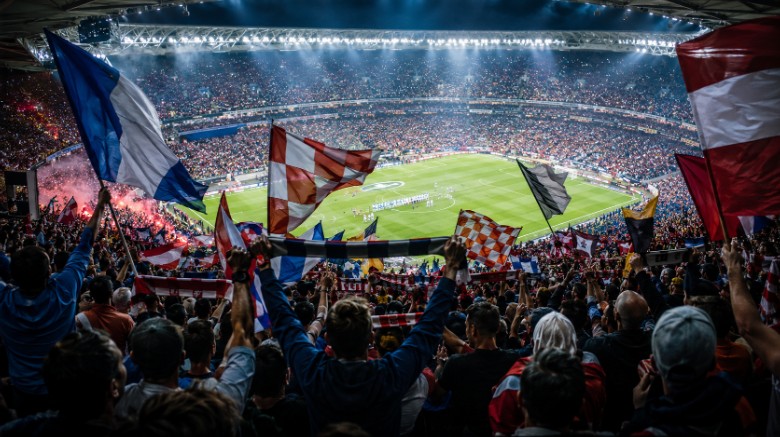
Loyalty in football is easy to romanticise and hard to measure. Some clubs have millions of followers because they win often. Others keep packed stands through relegations, ownership chaos, bad football and years without silverware. Both can be impressive, but they are not the same thing.
The most loyal fanbases are usually built through routine. A family goes to the same stadium for decades. A neighbourhood grows around matchday. A shirt becomes less about fashion and more about memory. That kind of loyalty is not created by one good season.
Why loyalty is more than attendance
Attendance numbers matter, but they do not tell the whole story. A large stadium can look full because the team is successful. Real loyalty is easier to see when the club is struggling. Who still travels? Who still sings? Who still buys a ticket when the football is poor?
For readers who follow football culture as much as results, kult casino login becomes a perfect entry point for their hobby. It makes sense when a club story leads from one fanbase to another, and the interest becomes bigger than one result.
That is where football becomes emotional. A loyal fan does not only consume the club. They carry it through years when it gives very little back.
Different forms of football loyalty
Loyalty can look different depending on the club and country:
- Generational loyalty: support passed from parents to children.
- Local loyalty: the club represents a city, district or working-class identity.
- Away loyalty: fans travel even when the season is going badly.
- Crisis loyalty: support grows stronger during difficult periods.
- Cultural loyalty: songs, rituals and matchday habits matter as much as trophies.
None of these forms is “better” than the others. Together, they explain why some clubs feel bigger than their recent results.
Famous examples of deep support
Borussia Dortmund are often mentioned because of the scale and sound of their home support. The Yellow Wall has become a global symbol, but the deeper point is consistency. The atmosphere is not only built for big European nights.
Newcastle United show another kind of loyalty: a city where the club sits close to everyday identity. Napoli, Boca Juniors, Celtic, Athletic Club, Galatasaray and many others all carry different versions of the same idea — football as belonging, not just entertainment.
In some places, loyalty is loud and theatrical. In others, it is quieter but just as strong. It lives in season tickets, away buses, old scarves and small rituals before kickoff.
Why loyal fanbases still matter
Modern football often treats fans as markets. Loyal fanbases resist that. They remind clubs that support is not only a revenue stream. It is history, pressure and responsibility.
A loyal crowd can lift a weak team, intimidate a stronger opponent and keep a club visible during poor years. But it can also demand more. Supporters who stay through everything usually feel they have earned the right to be heard.
That is why the most loyal fanbases are not always the happiest ones. Sometimes loyalty means frustration. Sometimes it means patience. But in every case, it means the club is not just watched. It is alive.