Taper and fade haircuts are some of the most popular styles you will see in barber shops today. Barbers work hard to perfect these two looks most commonly. At first, both cuts might seem alike as they both involve shortening the hair on the sides and back. And, many people even mix up these terms. Still, there are important differences if we see taper and a fade haircuts. Each gives you a different look, even though they share some parts in common.
In this article, let’s learn the difference between a taper vs fade haircut so that next time talking with your barber, you can ask for a haircut that really fits your style and personality. Whether you prefer a neat, office-going, attractive look or something more daring, knowing about different cuts makes it easier to decide. Also, I will share my personal experiences with you for a better haircut decision! Let’s get started.
What Is a Taper Haircut?
A taper haircut is a classical, charming, and versatile style where the hair gradually shortens from the top of the head down to the neckline and sides.
Key Features of a Taper
The following are the focal features and traits of a taper cut:
Gradual Length Reduction
Its most defining characteristic is the progressive shortening of locks from the longer top down to the sides and back.
Polished & Classic
Secondly, tapers offer a versatile and low-maintenance hairstyle that helps people maintain a professional and timeless appearance for a comparatively long time.
Customization
You can customize the taper to fit face shapes, personal styles, and preferences for unique boldness.
Different Types of Tapers
Before heading on to the taper vs fade haircut. Let’s first get to know the various types of taper cut:
Low Taper
This is a subtle, softer men’s style where the tapering effect starts low, just above the ears, offering a tidy and understated look suitable for professional settings.

Low Taper Fade
Mid Taper
Offering more poise and contrast than a low taper, this style begins blending the hair around the temple area, creating a versatile, sharp yet soft look.
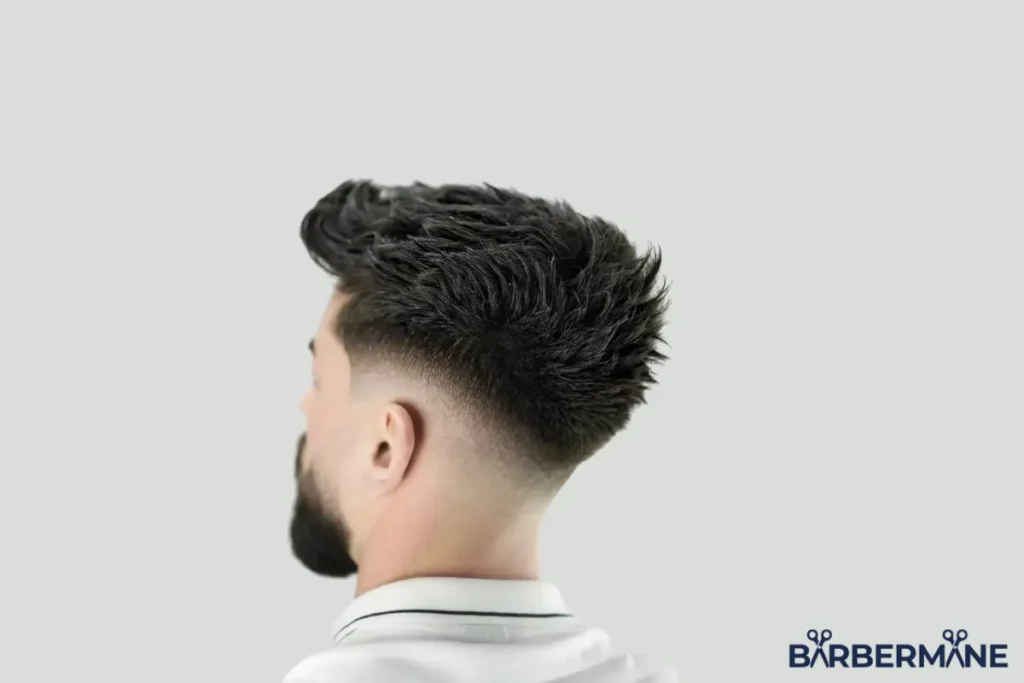
Mid Taper Fade
High Taper
This bolder trim starts the gradient much higher on the head, near or even above the temples, for a more dramatic contrast. When I first asked my barber for this haircut, I was too nervous, but the result looked absolutely stunning!.
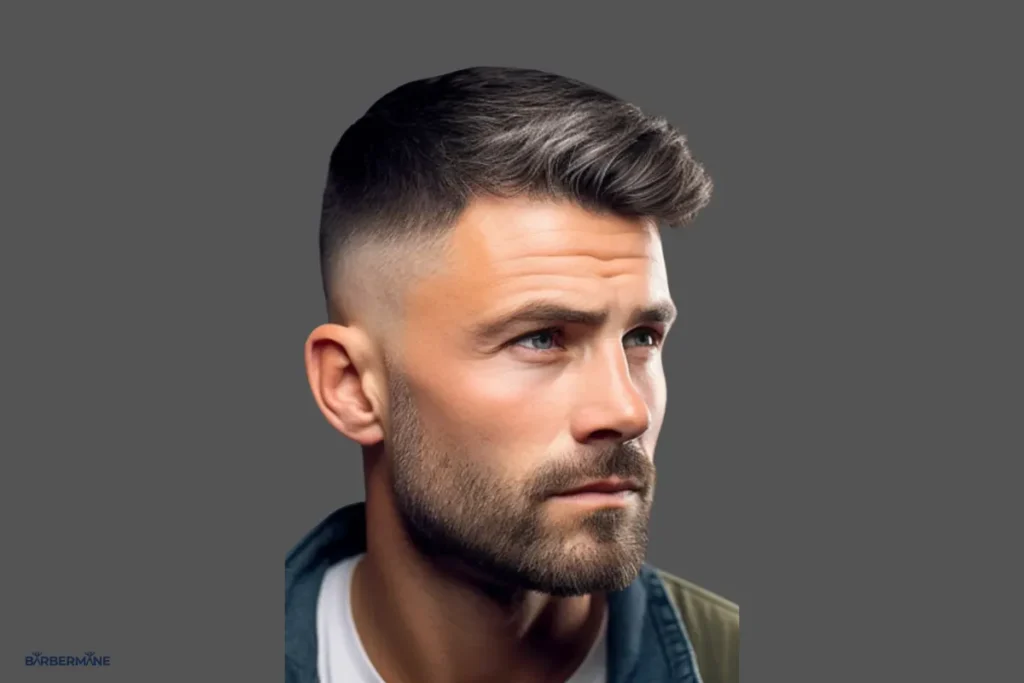
High Taper fade
Temple Taper
This is a specific type of taper cut that primarily focuses on the gradual shortening of hair fully around the temple area, creating a sharp and more defined edge.
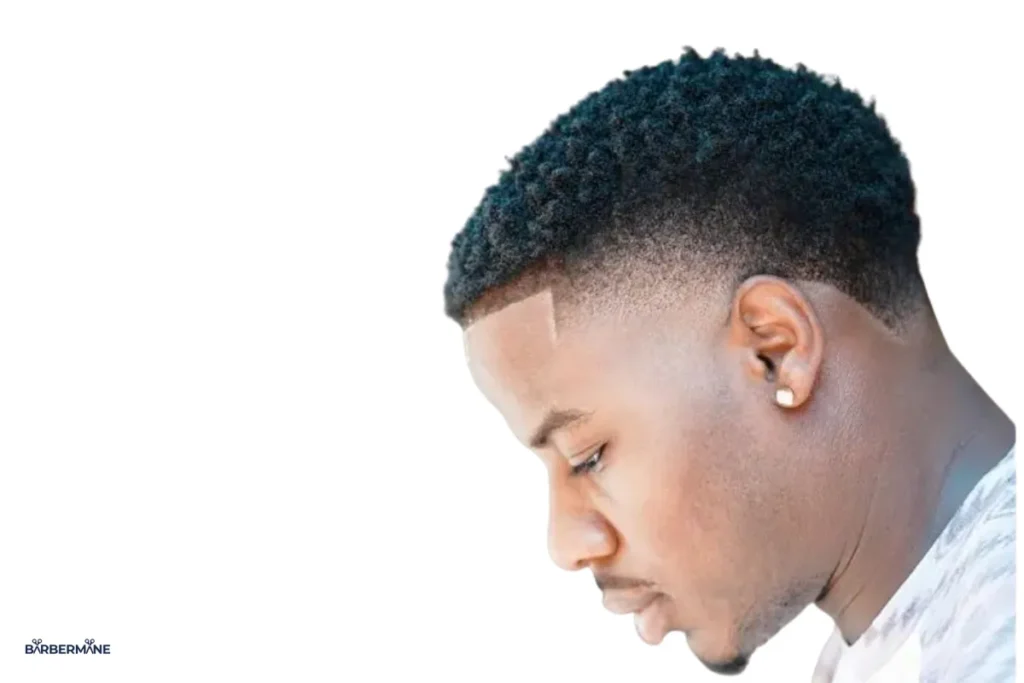
Temple Taper Fade
Neck Taper
This is the part of the taper at the back of the head where your hair gets shorter and blends into the neckline seamlessly.
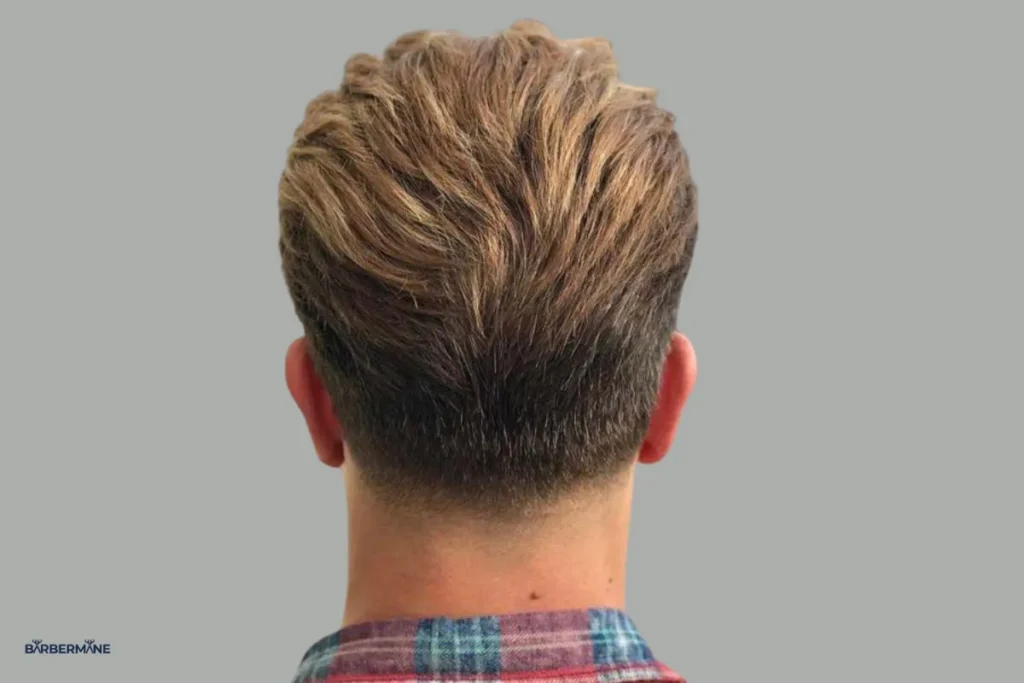
Neck Taper Fade
What Is a Fade Haircut?
A fade is a hair trim where the hair on the sides and back is merged in a graduated way from short to long, moving from the bottom toward the top of the head. Especially, a well-executed fade has a smooth transition without harsh or uneven lines. It’s one of the most common styles people compare when it comes to choosing between a taper vs fade haircut.
Key Features of a Fade
Some key features of the popular fade haircut generally include the following:
Seamless Graduation
The hair length gradually changes, creating a seamless blended effect.
Sharp, Clean Look
This is one of the most polished and neat hairstyles.
Versatility
Fades can be adapted for all hair types and paired with different styles on top, from a buzz cut to a pompadour.
Emphasis On Contrast
The difference in length between the faded sides and the hair on top creates a clean and striking contrast.
Different Types of Fades
Below are some diverse types of fades that can offer a stylish yet elegant look. Knowing the different kinds will help you better choose between a taper vs fade Haircut:
Low Fade
The low fade begins just above the ears and drops down around the back of your head. It creates a sharp but less noticeable contrast. I have personally tried this haircut and gained so many compliments. It is the most conservative and subtle fade that I have tried so far.
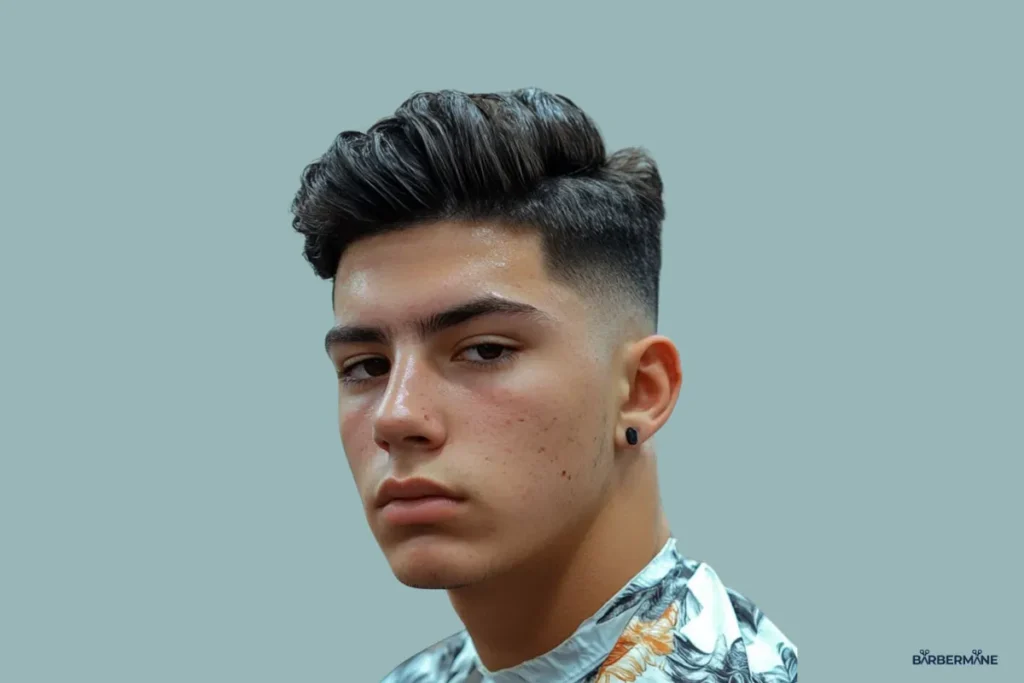
Low Fade Haircut
Mid Fade
Compared to a low fade, the mid fade cut, which begins around the temples, provides a more balanced, trendy appearance with greater contrast. It is a flexible choice that complements many top styles, such as pompadours and quiffs.
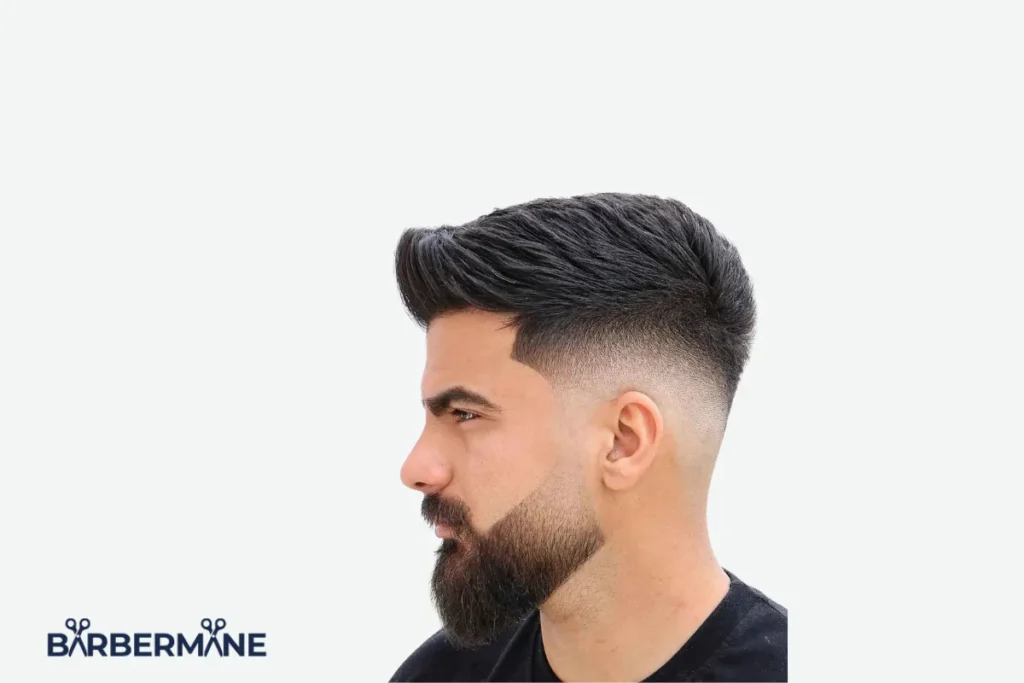
Mid Fade Haircut
High Fade
On the other hand, a high fade begins high on the head, near the top sides, and gives a bold, sharp look. It creates a strong contrast and works well with styles like a crew cut, Mohawk, or even an afro.
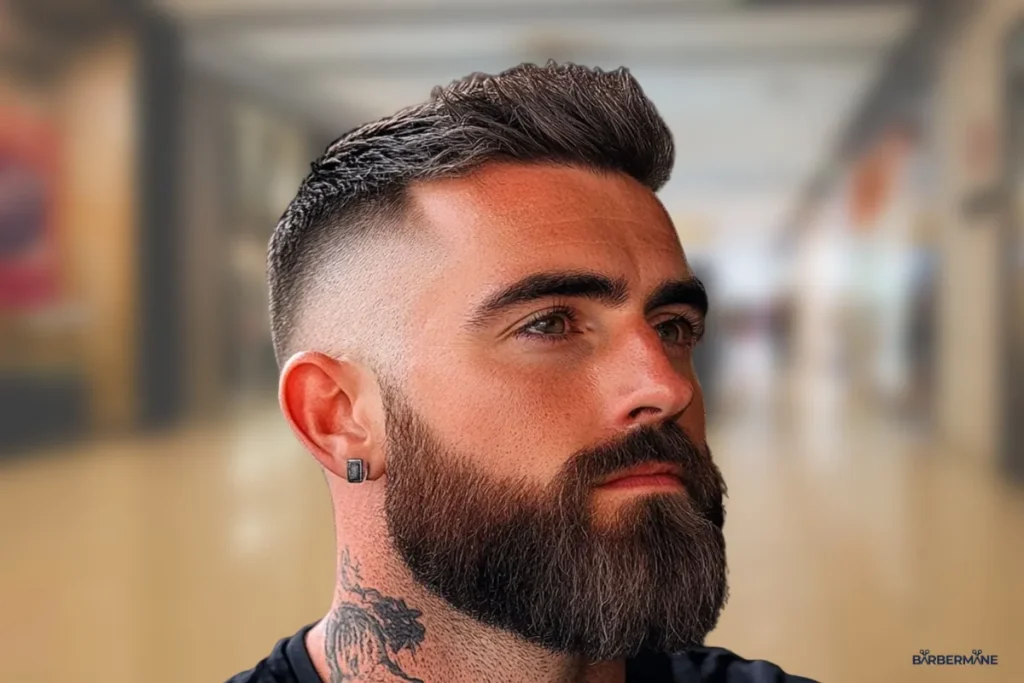
High Fade Hairstyle
Drop Fade
This version of a mid or low fade bends down behind the ear and follows the natural curve of the head to the neck. Moreover, its small details add style and make the entire haircut look softer overall.
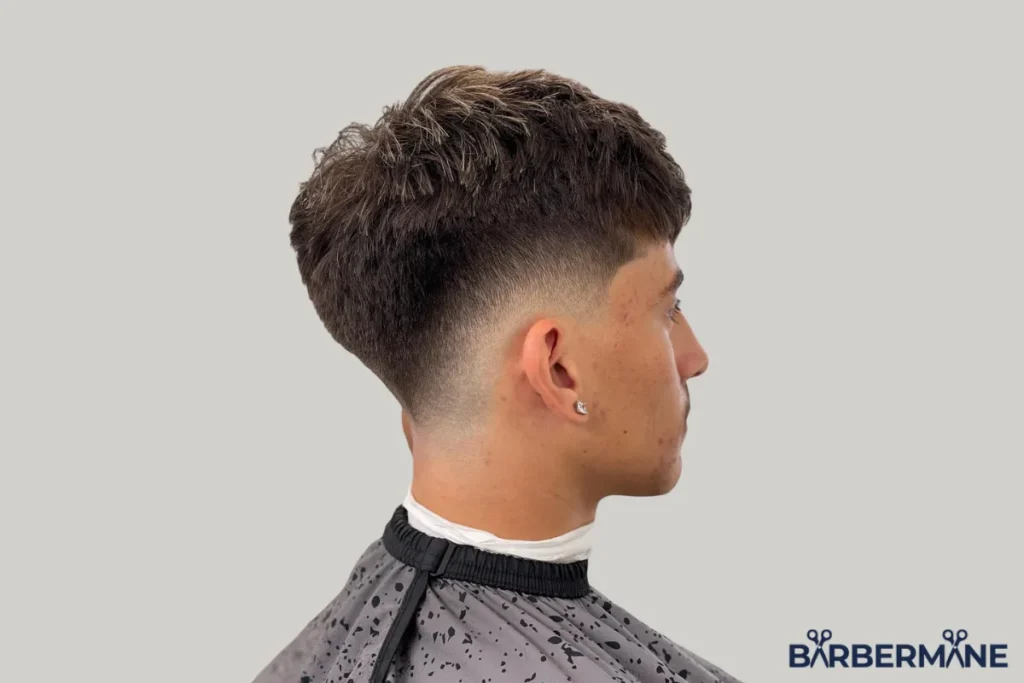
Drop Fade Hairstyle
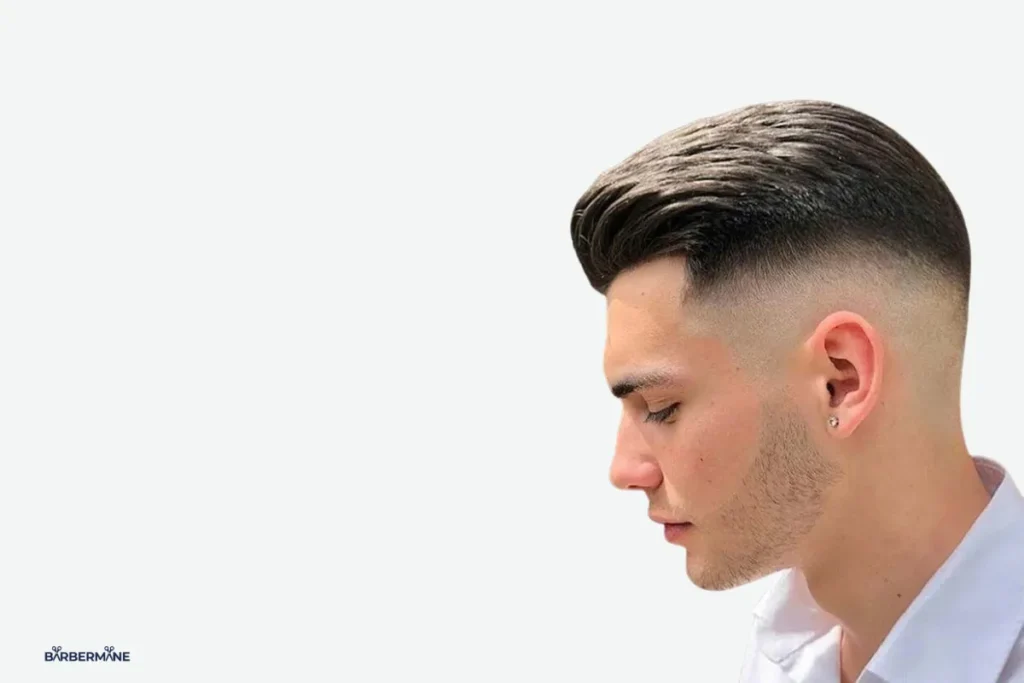
Skin/Bald Fade
The skin fade, or bald fade, cuts hair down to the skin for a bold look. It can be low, mid, or high and is often compared in a taper vs fade haircut difference.
Skin Fade
Burst & Temp Fade
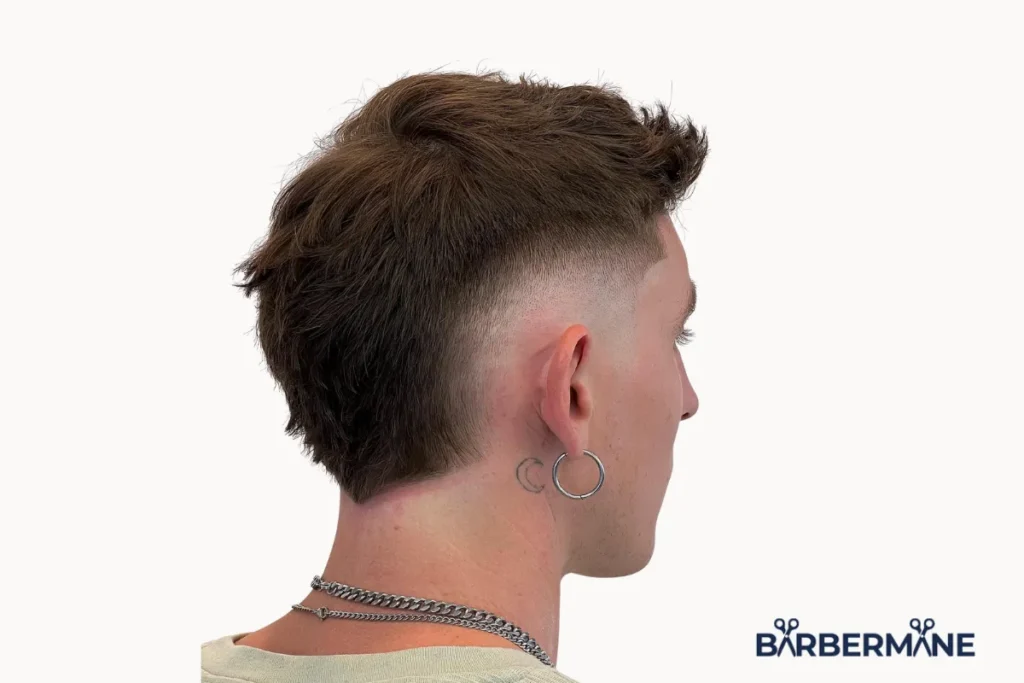
Burst fade: This fade curves like a half-circle around the ear and goes down behind it, while the back hair stays longer. Back in school, I went for this look with Mohawk and mullets, and it made me feel more confident. No doubt, this blend looks effortlessly chic!.
Temp fade: Also called a Brooklyn or taper fade, this fade is done around the temples and sometimes the neck. It usually gives clean and sharp edges to the wearer’s face.
Burst Fade
Taper vs Fade Haircut: What’s the Real Difference?
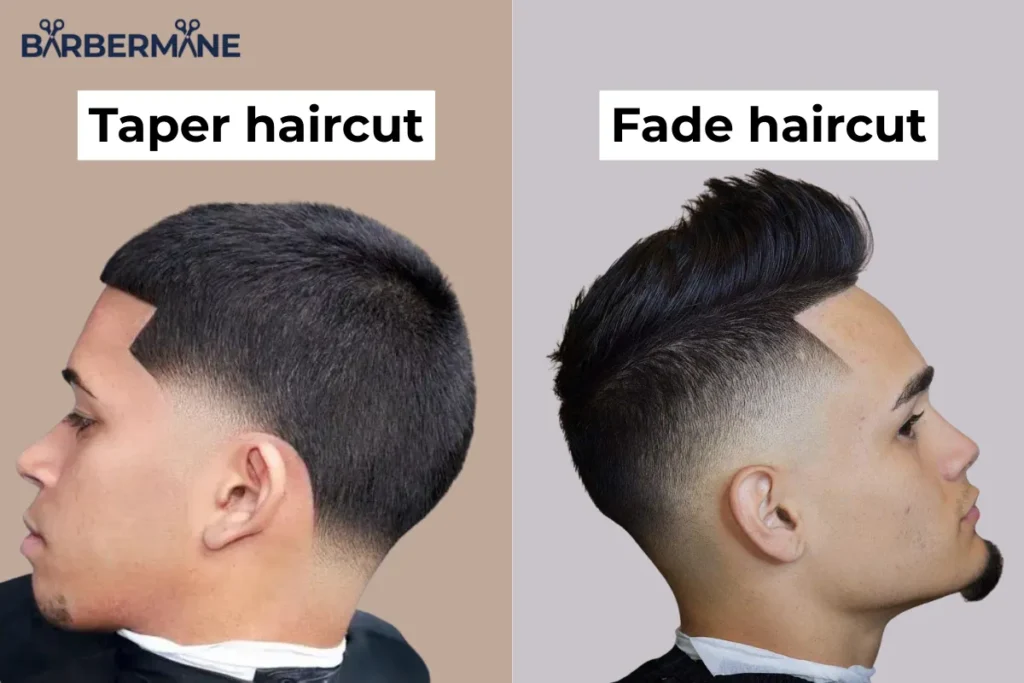
The main difference is that a fade cuts the hair right down to the skin, making a bold contrast. On the other hand, a taper leaves a bit more length at the back and sides, giving a softer and more classic look. However, although fades are trendy and stand out because of their sharp, defined look, they also need more maintenance.
Taper vs Fade Haircut
Therefore, check out these different traits of taper vs fade haircut and see which one matches your vibe and adaptability:
1. Length & Blend
In the fade, the hair length decreases dramatically and blends seamlessly into the skin. Whereas, the taper cut hair gradually shortens but still upholds some length at the bottom, avoiding the skin.
2. Sharpness & Definition
Fades create a sharp contrast between the longer hair on top and the shorter sides, giving a bold and edgy look. In contrast, a taper offers a more natural and subtle finish, resulting in a sleek and understated street style.
3. Styling Versatility
Fades are versatile trims that work well with several hair types and can highlight their texture, making it a staple in chic street style. But the taper is suited for almost any hair type, providing a fresh and classy finish that matches both classic and professional styles.
4. Maintenance & Upkeep
More regular touch-ups and upkeep are needed to keep the fade looking crisp and sharp. Alternatively, taper is a lower-maintenance, effortless style that requires little trimming, maintaining its subtle effect for a longer time.
Taper Fade: The Best of Both Worlds?
A taper fade offers the clean look of a fade and the smoother blend of a taper, together. That is why this hairdo is neat, modish, and works nicely for many hair types and occasions. Moreover, many people pick it because it is simple, trendy, and easy to maintain.
How to Choose Between a Taper vs Fade Haircut?
When you are choosing between a taper vs fade haircut, you should first consider a few things like your desired contrast level, your hair’s natural characteristics, and also your personal grooming habits. Only then will you be able to make a wise decision.
Based on Hair Type & Texture
Everybody has different types of hair. Let’s see which cut suits people well according to hair types and texture:
- For Thick Coarse Hair: A fade works great for thick or textured hair because it removes extra bulk and gives a sharp, clean look. Additionally, high fades also make curls stand out. In contrast, a taper is softer and works well for both thick and fine hair, giving a natural, balanced style that is easy to manage.
- For Straight Silky Hair: A fade gives a clean and stylish look with a smooth blend from short to longer straight silky hair. Alternatively, a taper slowly shortens the hair, adding some texture and depth, especially on straight hair.
Based on Face Shape
When you choose a haircut, especially when deciding between a taper vs fade haircut, the second most important thing is to pick the right style according to your face shape:
Round face
A high fade makes a round face look longer, while a taper works well with extra volume on top.
Square face
A fade shows off a strong jawline, while a taper softens sharp edges for balance.
Heart-shaped face
A low fade balances a wider forehead, while a taper evens out volume from top to bottom.
Oval face
Both tapers and fades suit oval faces, so you can pick whichever style you like.
Based on Personal Style
A high fade gives a bold and trendy vibe with strong contrast between the top and sides. While a taper fade can be used for comparison, combining modern and chic styles. I tried a taper once, and I loved how polished and timeless it made me look, perfect for my professional or everyday settings.
Based on Lifestyle & Maintenance Needs
Furthermore, when determining between a taper vs fade haircut, lifestyle matters much too! While a fade requires trims every two to four weeks to stay sharp, a taper typically grows out naturally and requires fewer barber visits.
A fade keeps you cool and fresh with short sides, especially in the hotter season, while a taper is less difficult to manage for people who lead active lifestyles.
What Is a Taper Fade Haircut?
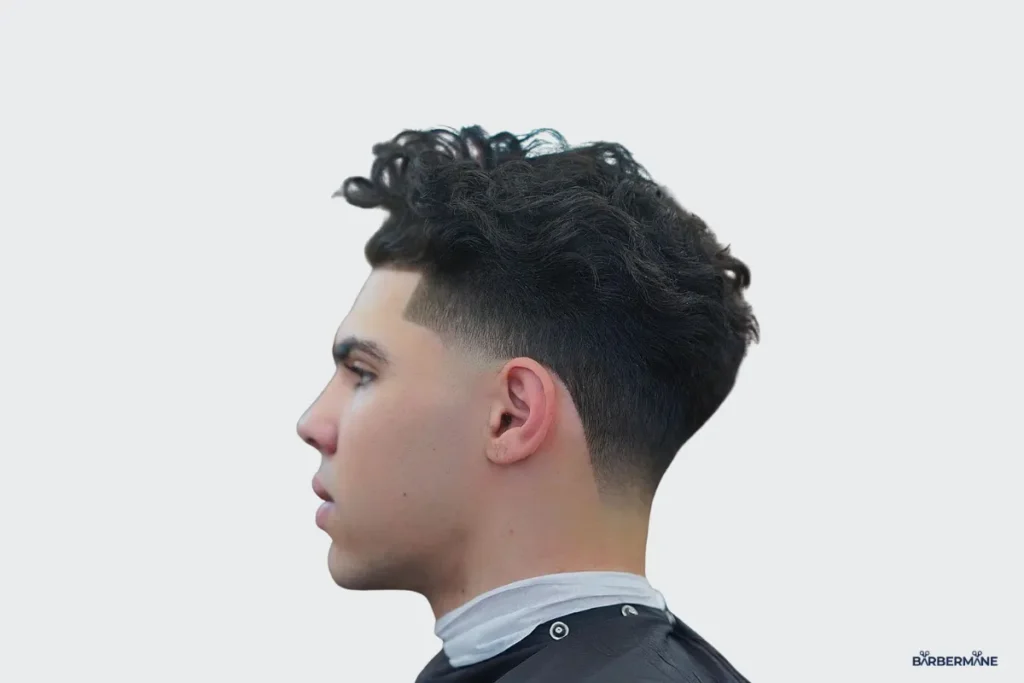
A taper fade is a cool men’s hairstyle having a gradual decrease in hair length with the longer hair on top to shorter hair on the sides, creating a sleek and blended look.
Taper Fade Haircut
Why It’s Popular?
Among taper vs fade haircuts, a taper fade is more popular for many trendy boys and men because it offers a versatile, polished appearance that suits diverse hair types and professional or casual settings.
Best Taper Fade Variations to Try
Below are the most popular taper fade styles to try for an inspiring look:
- Low Taper Fade: Starts lower on the head for a subtle look.
- Mid Taper Fade: Begins in the middle for a balanced style.
- High Taper Fade: Starts high for a bold, sharp contrast.
- Taper Fade Mullet: Combines a taper fade with longer back hair.
- Burst Fade: Curves around the ear for a unique style.
Taper vs Fade Haircut: Side-by-Side Comparison Chart
The key difference between taper and fade haircut is how the hair gradually shortens or blends down to the skin. Let’s dive into the side-by-side comparison:
| Feature | Taper | Fade |
| Length at the bottom | Leaves some hair for a soft, natural finish | Blends down to the skin for high contrast |
| Transition | Smooth and gradual | Faster, more noticeable change |
| Look | Classic, professional | Bold, modern, edgy |
| Hair types | Works for all hair | Best for thick or textured hair |
| Maintenance | Fewer touch-ups needed | Needs trims every 2–3 weeks |
| Variations | Low, mid, high taper | Low, mid, high, skin/bald fade |
| Can it be combined? | Yes, taper fade mixes both | Yes, fade works with many hairstyles |
How to Ask Your Barber for a Taper or Fade?
When going to the barber, knowing how to opt for a style between a taper vs fade haircut makes sure you get the vibe you want:
Exact Phrases to Use
You have to use clear words like “I want a high fade” or “a low taper on the sides.” I once said exactly what I wanted, and my friend’s barber got it perfectly right.
Bring a Reference Photo
Show a picture of the haircut you like. It helps the barber understand your style better and avoid mistakes.
Talk About Maintenance & Style Preferences
Mention how often you want trims and how you like to style your locks. This helps the barber customize the cut ideally for you. I told my barber I prefer easy-to-manage styles, and he made my haircut simple to maintain every day.
Final Thoughts:
Which One Is Right for You?
Choosing between a taper vs fade haircut totally depends on your personal style, face shape, hair type, and how much time you want to spend on your hair maintenance.
Usually, a taper gives a softer, classic look that grows out naturally. On the other hand, a fade creates a bold, sharp contrast for a trendy appearance. Many people love the hybrid taper fade for combining the best of both worlds.
Whether you want something pro, low-maintenance, or chic and modern! You have to understand these key differences to get the perfect cut.
I have tried both styles, and knowing the difference between taper vs fade haircut made picking the right haircut so much easier for me.
FAQs
Is a taper more professional than a fade?
A taper gives a tidy yet classic look, which many people think looks more professional. Both styles can look sharp, but a taper vs fade haircut comparison shows the taper is often chosen for work or formal settings.
Does a fade last longer than a taper?
A fade needs more frequent trimming to keep its edges sharp. In contrast, a taper grows out more naturally. So, if you want a low-maintenance haircut, a taper is usually easier to maintain.
Can you combine a taper and fade?
Yes, of course! The taper fade is a hybrid cut that mixes the soft taper with a fade’s polished look. This gives you the best of both styles in one haircut