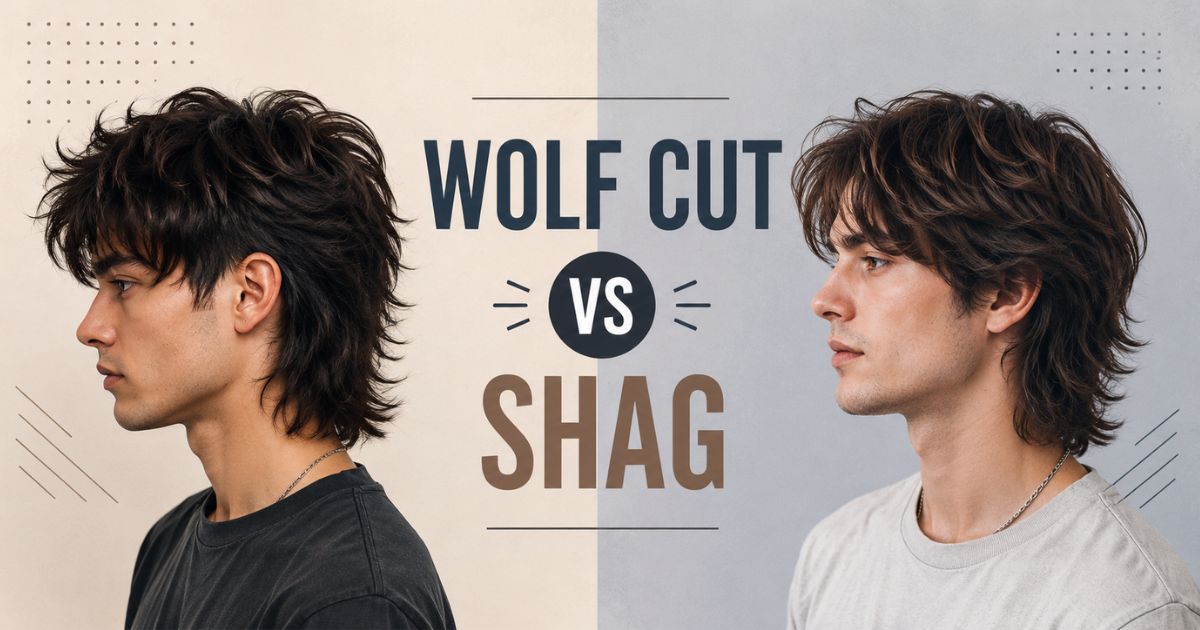
If you have spent any time on Pinterest or TikTok lately, you’ve probably saved at least one photo labeled “wolf cut” and another one labeled “shag” and wondered if they were even different haircuts. You are not the only one. These two styles look close enough to confuse almost anyone, and even some stylists use the terms loosely.
But they are different. And once you understand how, picking the right one for your hair becomes a lot easier.
This guide breaks down the wolf cut vs shag in plain terms, covers who each style actually works for, and helps you walk into the salon knowing exactly what to ask for.
What Is the Wolf Cut?
The wolf cut is a contemporary hairstyle that has been inspired by two older styles: the shag and the mullet, and then combined into a style that’s present-day and not “costume.”
The salient feature is the great difference in length. The crown area is diced short and choppy, and the back is retained longer. This gives rise to a commanding silhouette, almost like a stage direction, that seems to have been deliberately done up.
The fringe of a wolf cut usually sits further and closer to the ear than it does to fall mournfully over the forehead. The overall feel is more disconnected, with the layers not intended to be fully cohesive. This contrast is the point.
The wolf shag cut is perfect for those with natural waves or curls in their hair, as it adds texture to bring the style to life. It can look flat if you don’t have any curls or waves in your hair.
What Is the Shag?
The shag has been in existence since the 1970’s and has not totally disappeared, simply because it really fits a lot of people. It bounced back in the early 2000s, and then again just about 2015, and it’s back in the mainstream.
The shag is not as much about contrast as the wolf cut. The layers fade from the top to the bottom, and the framing around the face is smooth and purposeful, not choppy and disconnected. Curtain bangs go hand-in-hand with the shag due to the shag’s soft, face-hugging style.
The shag adds volume and movement; however, the overall silhouette is more streamlined and wearable than a wolf cut. It tends to be simple, not radical.
Wolf Cut vs Shag: The Key Differences
Layer Placement
A shag is a pretty even layering and a gentle and gradual blending of the layers. The idea of a wolf cut is that all the shortest layers should be in the crown and that the difference between the layers and the back should be intentional and significant.
The Fringe
Shag bangs can be more face-framing and are generally softer. They generally are styled as curtain bangs that are merged with the side layers. Wolf cut bangs are chunkier and may be positioned farther back on the head, and they are a favorite for having texture to them, rather than a smooth and sleek look.
Silhouette
A shag style provides a full, round shape, which fits around the face and head. A wolf cut has a more top-heavy shape at the top that gradually tapers into longer, narrower ends. The side on the wolf haircut may give off a contemporary mullet appearance; this is an intentional effect.
Styling Requirements
Where most people feel guilty after taking the wrong cut. A shag is much more tolerant. Unfolds to a fairly decent shape, even if it is just left to air dry. A wolf cut, however, requires some texture in terms of either natural waves or salt spray or a diffuser to achieve the appearance it has in photos. If it is not textured, it may look choppy or formless.
Which Cut Works Best for Your Hair Type?
Fine Hair
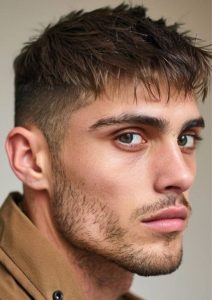
Here, the shag is usually the superior option. A wolf cut is a cut in which a significant amount of density is removed, and it is layered choppy, which can cause fine hair to appear thin or wispy at the end. A shag will give the impression of volume without adding excess weight.
Thick Hair
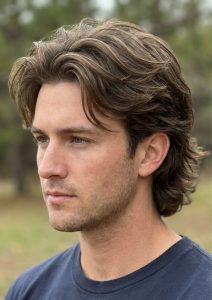
Both cuts can work well on thick hair, but for different reasons. A wolf cut removes bulk effectively and gives thick hair more defined movement. A shag softens and controls volume without making the hair look too heavy or dense at the ends.
Wavy or Curly Hair
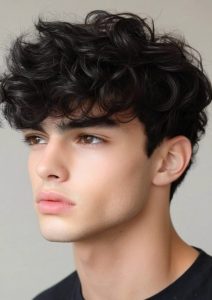
This is where the wolf shag haircut really thrives. The natural texture of wavy and curly hair does exactly what the wolf cut needs to look right. The disconnected layers enhance curl definition and movement beautifully. Shags also work well on wavy hair, offering more predictable shape and control.
Straight Hair
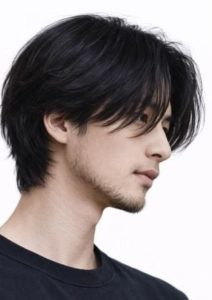
A shag is the safer choice for naturally straight hair. Wolf cuts on straight hair require regular styling to maintain their intended look. Without texture, the stark layer contrast can look awkward rather than intentional.
Shag vs Wolf Cut: Face Shape Compatibility
There are no rules about what cuts a face should or shouldn’t have, but there are a few points to know.
Round faces are better suited to the wolf cut, as it has a voluminous short crown and a longer back to balance the round face.
For an oval face, either cut will look great as the proportions are well-balanced, and will complement nearly every cut.
Blended layers and face-framing pieces are good for softening angular jawlines in square faces, while a shag is excellent for softening the edges of the face.
Faces with heart shapes will look fabulous with a shag that is full in the middle length and has curtain bangs that balance out the forehead.
The Grow-Out Phase Nobody Talks About
This is an authentic discussion that most guides to haircuts avoid.
Shags develop attractively. The longer the layers are, the more they merge, and an even longer haircut is still regarded as a layered style. It’s possible to get 8 to 10 weeks in between trims without looking like a horse in a picture.
Wolf cuts less easily during the grow-out. The crown layers get shorter and shorter, and the back gets longer and longer, and when the shape is at that uncomfortable point between the two, you’ll need to either trim it or style it heavily.
If you don’t like to go to the salon often, this is important. Low maintenance over time is a shag.
How to Ask Your Barber or Stylist for Each
If you ask for a wolf cut, let your stylist know you want short and disconnected layers on top and much longer hair in the back. Explain that you would like contrast in the upper and lower portions of the image, not a gradual transition. Reference that it should be somewhat like a mullet, but not to the extreme.
If you are looking for blended layers throughout, face-framing pieces, and a softer fringe for bangs, then ask for it when ordering a shag. Explain that you are looking for volume and movement, but not the choppy, disjointed feeling that it has.
It is always good to bring pictures, but be sure to include pictures of hair similar in texture and thickness to your own. A thick, wavy cut on a short haircut will be very different from a thick, wavy cut on fine, straight hair.
FAQs About Wolf Cut vs Shag
Does the wolf have the same cut as a shag?
They are synonymous, but not identical. Layers and texture are used in both, but in the wolf cut, length contrast and disconnection are more important than blending and framing of layers in the shag. Remember to think of them as cousins and not twins.
Which of the two, shag or wolf cut, lasts longer between trims?
The shag grows out more gracefully, and won’t look so “dirty” when left between mows. As the contrast of the layers decreases, the desired cut is lost more quickly with a wolf cut, requiring more regular trims for it to remain in shape.
With straight hair, can I get a Wolf Shag?
Yes, however, we will need to style it regularly. Straight hair does not seem to have the natural texture that the wolf cut has to it. With a suitable texture spray, diffuser, or even a light wave from a curling iron, you can achieve the look that you see online.
When is it better for a person to get their initial layered cut?
Start with a shag. It’s more versatile, looks good on all hair types, and grows out better. After mastering layered cuts, you have the option of taking it to the next level, to a wolf cut.
Conclusion
There is no right or wrong way to choose between a wolf cut and a shag. They have different target groups and target needs.
Select the wolf cut for a more dramatic and expressive appearance, as well as for added texture, and if you’re willing to invest a bit more time in styling it. Likes personality and natural texture.
If you’re looking for something classic, with a decent amount of versatility and not too demanding, then go for the shag.
A primary reason people feel regret over their hairstyles is that they pick the cut they see in a picture, and it doesn’t work out in reality. Don’t overestimate or underestimate how much time and energy you’re willing to invest in your hair, because that should be your decision as well as the look of your hair.